
I read a PubMed article recently about grip strength as an indicator of health related quality of life in old age and it got me thinking about what we are lacking or sidestepping in our daily lives that means we don’t achieve meaningful grip strength via our normal everyday movements and habits.
The article looked at quality of life in men and women ages 60-94 years old and used the measurement of grip strength to determine overall muscle strength and function. High grip strength is strongly associated with preserved mobility, higher activities of daily living and decreased disability and although it was outlining grip strength as an indicator of ‘general’ health (as opposed to isolationist strength purely at the wrist) there are many habits and environmental factors that rob us of this type of daily movement that would otherwise improve this outcome.
Here’s a list of 5 examples that I came up with to demonstrate ways in which we deny ourselves of those daily ‘movement vitamins’:
- Coffee grinder – admittedly this is quite hard work but you will be rewarded with not just coffee but a better quality of life….and some would even argue better coffee!
- Washing machine – imagine all the wringing and squeezing that went on before washing machines, perhaps once or twice a week skip the spin cycle and try and wring out the excess water.
- Wheelie suitcase – do you wheel your suitcase? Does it glide smoothly across the airport floor?! Think about all that grip work and corresponding arm and core effort if you were to carry it. Not quite as comfortable but perhaps more so than general physical decline!!
- Car key automatic lock – this seems quite petty but just on principle the price of convenience is robbing us from basic wrist turning actions and even extra movement around the car to lock the doors in the name of convenience.
- Automatic can opener – another wrist strength robbing device!
To conclude, even though the study just involved a small amount of participants and also incorporated the social aspect of ageing into the equation it makes a good example of how a few simple steps on a daily basis and a bit more awareness can contribute to a healthier outlook.
Photo by Jeremy Yap on Unsplash
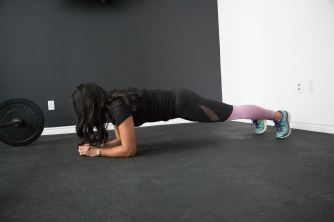 If you travel a lot for work it can be hard to prioritise your own movement let alone specific exercise. This post is an aid to those trapped in their hotel rooms (!) and in need of some body maintenance to cancel out all the sitting, screen watching, suit and work shoe wearing (that also ‘cast’ your body into unhelpful postures).
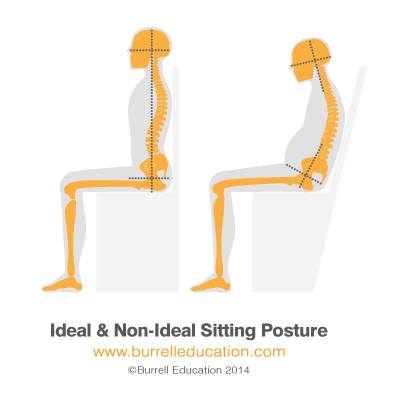 3 steps to improving your ‘sitters body’.

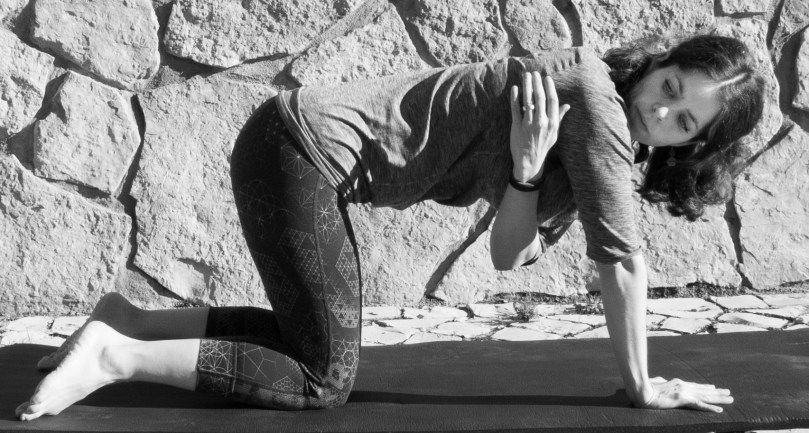

 This is great news for mums – whilst others are frenetically trying to replicate the daily movement they should be getting but can’t, due to sedentary jobs, mums get the opportunity at an action packed day…well….everyday!! No 5 x 30 mins per week for us, as government guidelines recommend!
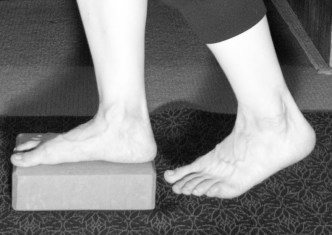 Your body uses your proprioception system to create an image of what is internal or inside the skin – in much the same way as a dolphin uses sonar or an animal uses it’s whiskers. Proprioception literally means ‘ones own perception’ & that information about change of skeletal position travels by our neurones to the brain to act on. The more muscle fibres you have firing & the more supple (not tight) the tissue, the better the proprioception.
 Move With Jo