
New Dynamic Ageing Pilates class starting soon at CYC:D in Haslemere specifically aimed at ageing well. Here’s the lowdown on how Pilates can help in older age.
Pilates is a great form of exercise to help our bodies as we get older. There are a number of ways that Pilates helps facilitate an active, independent lifestyle. Pilates provides a great framework for focussing on function by servicing all of our moving parts as a foundation from which to move for life and sport. From the fundamentals of joint stabilisation and control through an optimum range of movement we can use the Pilates repertoire to help in several key areas that affect us in later life.
Posture and Alignment – It’s not so much ageing that creates bad posture or alignment as much as time spent in sub optimum positions. Pilates helps to restore movement and balance to areas in need of attention and helps us reconnect with and find our alignment.
Osteoporosis – An estimated 3 million people have Osteoporosis in the UK with over 300,000 fractures per year due to the condition. After the age of 40 peak bone mass diminishes and so it’s an important consideration to add to your fitness goals. The reason why Pilates is so helpful is that in order for our bones to increase in density they need load, if your skeleton is not aligned then it becomes hard to load your bones optimally. So whilst there are a number of factors which will help improve an osteoporosis prognosis if you want to improve your bone density with weight bearing exercise you need to first check in on your alignment.
Pelvic Health – A key element of Pilates is the integration of the breath in conjunction with a core and pelvic floor connection. This helps exercise our pelvic floor muscles and helps prevent incontinence issues. So often we accept the odd leak when coughing or laughing but there is much we can do to help prevent and improve on the problem by retraining the pelvic floor muscles. This engagement of the deep abdominals, deep spinal muscles, and diaphragm is also very helpful to help strengthen the prostrate in men.
Falls Prevention – Having good balance and confidence in your ability to balance well is hugely important as we get older. Working on creating healthy joints and a sense of where you are in space is key to not having a fall. It also feeds into the Osteoporosis care to help prevent fractures and bone breaks by not falling in the first place.
Heart Disease – Research has shown that Pilates improves heart health through enhanced respiration, decreasing physical and emotional stress, and through improved metabolic function.
If you’re interested in Dynamic Ageing classes do get in touch with CYC:D to find out more and book a class held on Wednesdays 13:15.
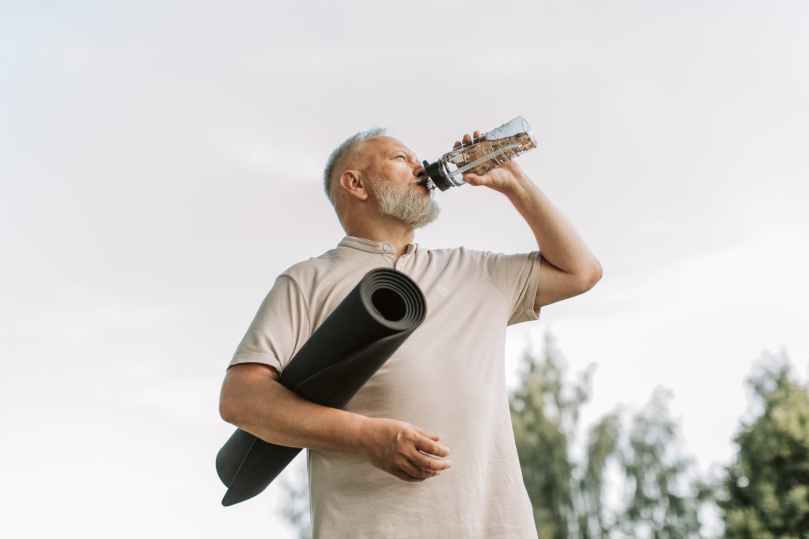


 3 steps to improving your ‘sitters body’.
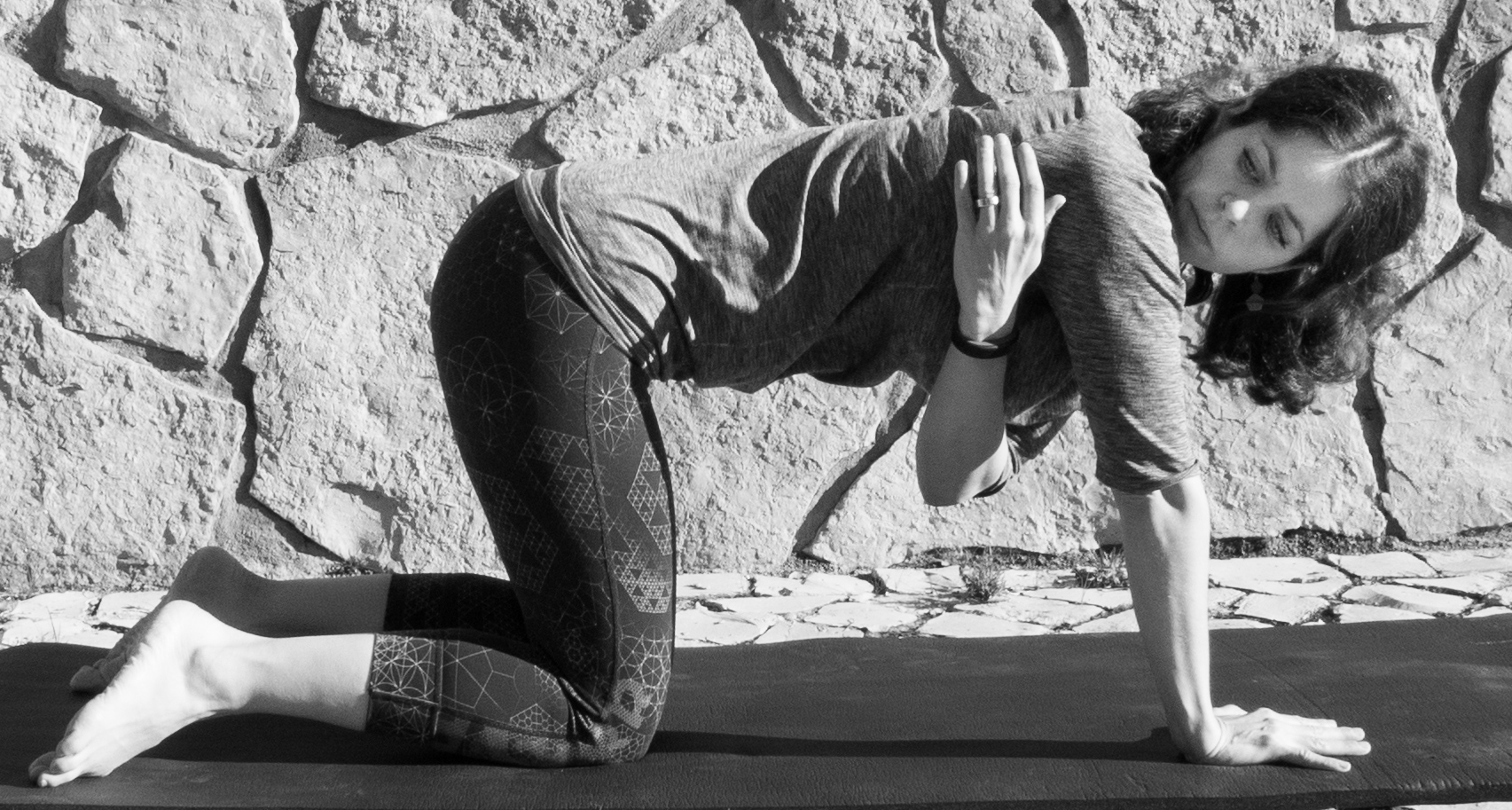
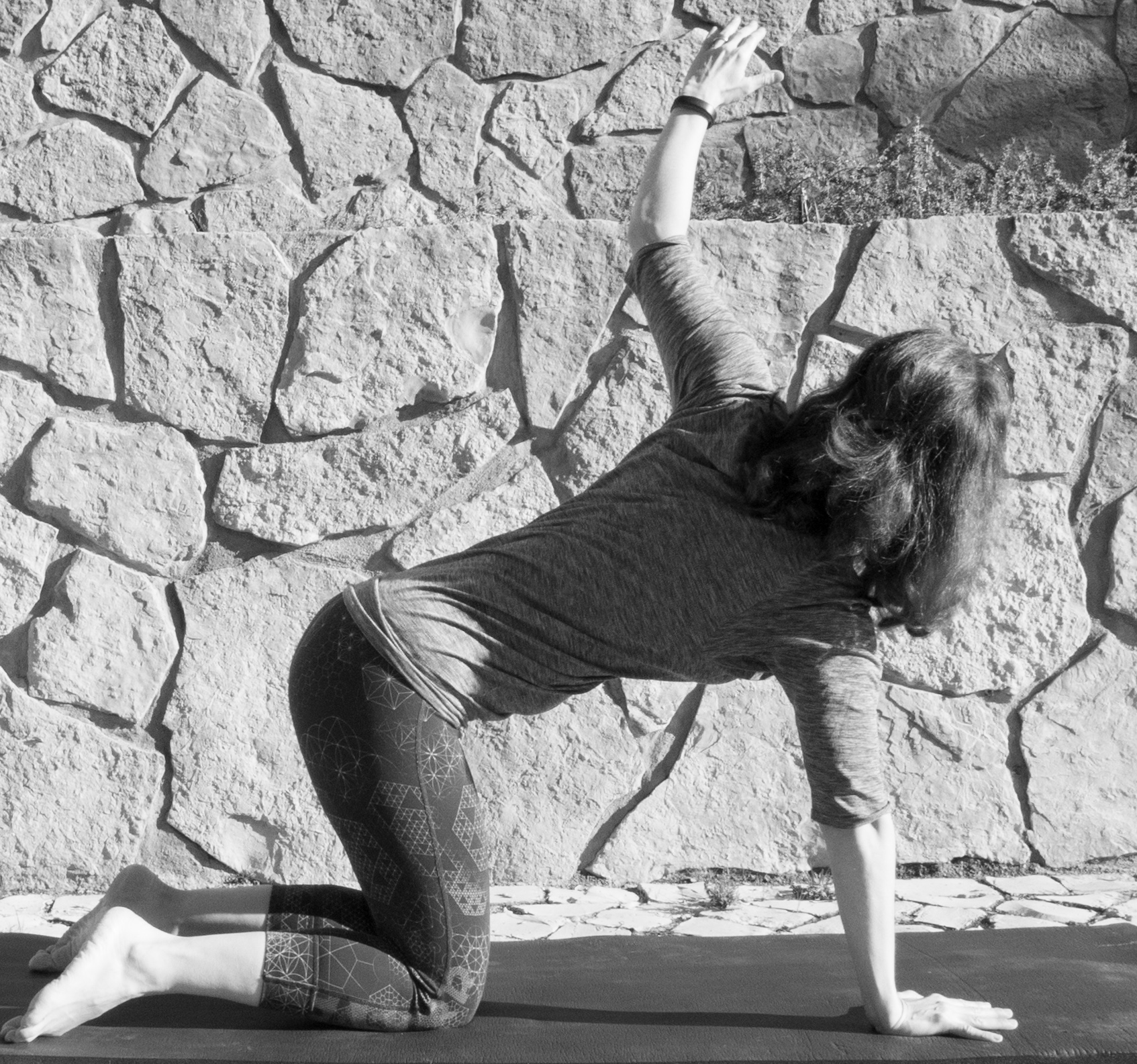
 Your body uses your proprioception system to create an image of what is internal or inside the skin – in much the same way as a dolphin uses sonar or an animal uses it’s whiskers. Proprioception literally means ‘ones own perception’ & that information about change of skeletal position travels by our neurones to the brain to act on. The more muscle fibres you have firing & the more supple (not tight) the tissue, the better the proprioception.
 Stand with your feet pelvis width apart & check your feet are straight (as in the outside edges, see pic) – how does this feel? Any wobbles? Now close your eyes & see if there’s any difference with them open or closed. Maybe you felt you moved about more with your eyes closed – this is the ‘true’ part of the balance test – your eyes are not part of the sensory input we speak about when we mean whole-body balance, they are not part of the proprioceptive system they are part of the vestibular system (eyes & inner ears) but the poorer your proprioceptive system is the more you rely on your eyes to make corrections. So in order to stop the eyes doing all the work (& incurring eye muscle fatigue, dizziness & age-related changes in vision) you need to fix your body’s internal sensory input or proprioceptive system.
 Move With Jo